Tea and Art: Artistic Inspiration and Representation of Tea in Various Art Forms

Tea has a significant place in history and culture and has inspired artists across the world. From the fine art of a painter’s brush to the interesting story of an author, tea has been preserved in many works of art.
Beyond its fragrant and soothing features, tea has been an image of culture, tradition, and innovation throughout the centuries. It has found its way into many art forms, from complicated artwork to expressive literature and fascinating images. The ritual of making and drinking tea goes beyond simple refreshments; it turns into a moment of mindfulness, reflection, and creativity. Historically, Artists have embraced tea effectively as a topic and as a metaphor for life problems and brief moments. This blog explores the deep connection between tea and artistic expression, finding how it has inspired painters, writers, and photographers.
Tea in Painting: The Visual Representation of Calmness
Tea has been an important element in visual arts for centuries in Asian cultures and it’s considered an art form in itself. The Japanese tea ceremony is not about consuming tea but increasing its enjoyment with simplicity, balance, and lavishness. Many Eastern and Chinese language artists have painted this ceremony in their paintings, showing the calmness of tea. The tea set, the graceful hands of the host, and the simple surroundings are repeated designs in traditional Eastern painting.
In Western art, tea has symbolized social gatherings and comfort, especially in the 18th and 19th centuries. Painters like Jean-François de Troy and Mary Cassatt have included tea scenes in their works, wherein ladies serve a cup of tea signifying social popularity and clarification. The tea table with its crockery and warm cups focuses on these artworks of painters, reflecting the elegance of the time.
Even in modern times, tea continues to encourage visual artists. Current painters have used tea as a medium in paintings by staining paper with brewed tea to give a sepia-toned organic texture to paintings. The flexibility of tea as a subject and a fabric in painting speaks to its connection within the world of visual arts.
Tea in Literature: A Metaphor for Lifestyles
Tea’s calming and meditative nature has made it an ideal metaphor in literature symbolizing the comfort of narration. From Eastern to Western literature, tea has been more than a beverage; it has been a significant detail in stories that deliver deeper philosophical meanings.
In Chinese language and Japanese poetry, tea illustrates the art of mindfulness and living in the present moment. Western literature has additionally accepted tea as an image. In Alice’s Adventures in Wonderland, Lewis Carroll’s well-known “Mad Tea Birthday Party” scene symbolises foolishness and chaos, showing how a tea birthday party turned into an unreal experience. Within the works of Jane Austen, tea serves as a set for important social interactions, showcasing the polite society of the time.
Tea has also inspired modern writers. In the novel The Tea Lady of Hummingbird Lane with the help of Lisa See, tea plays a significant position in each plot and as an image of cultural identification, connecting generations through the historic tradition of tea farming in China. Whether used as a literal or metaphorical tool, tea continues to encourage literature that discovers matters of community and comfort.
Tea in Photography: Capturing the Beauty of Simplicity
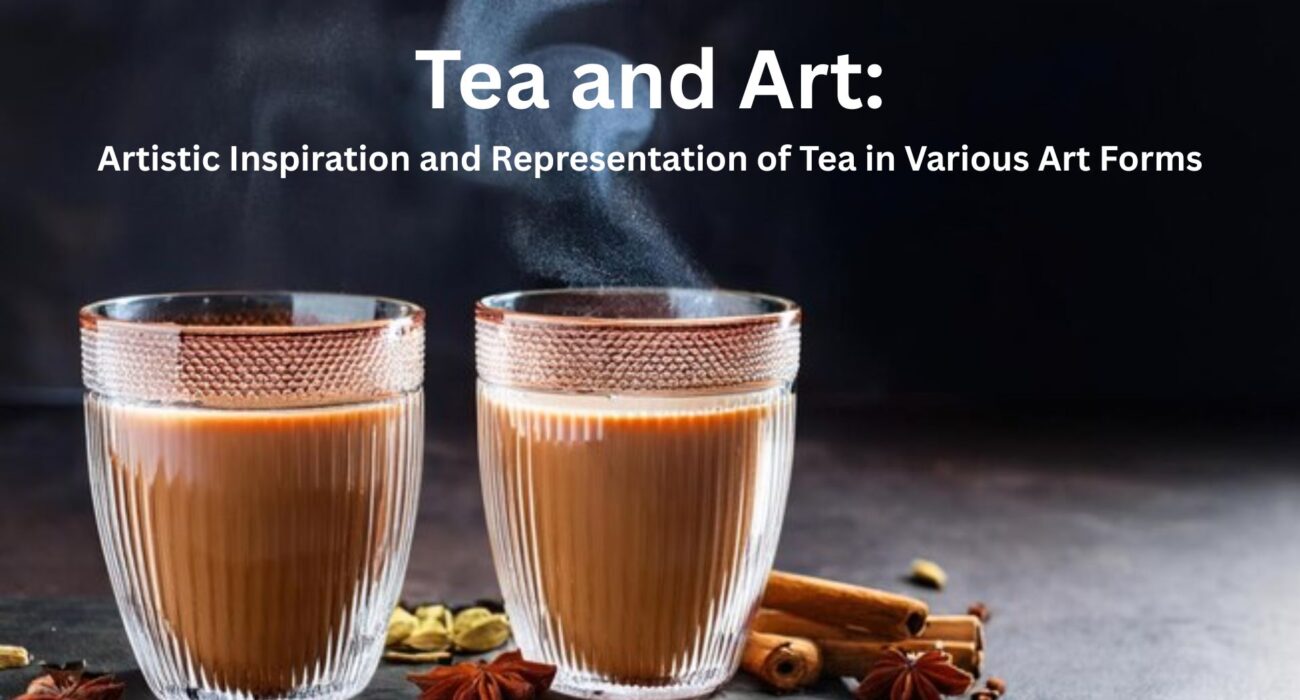
Tea is used to symbolize a moment of calm in daily rituals in images. Whether it’s a lifestyle shot of a tea set, steam growing from a cup, or a candid capture of human beings sipping tea, photographers have long identified the richness of tea. Its textures, hues, and steam create a fascinating image that shows warmth and nostalgia.
Photographers like Michael Kenna have often recognised tea as a crucial subject, capturing the tea landscapes of Japan and China, where the tea plantations themselves are artwork. The geometric patterns of tea fields, with their strains and plush greenery, offer a striking visual in comparison to the simplicity of a cup of tea. In this way, photography goes beyond the beverage to show global tea production and intake.
In the way of life photography, tea is used as a prop to deliver feelings of relaxation and mindfulness. The act of pouring tea and the sound of the liquid filling the cup all are moments that photographers want to capture. The image of tea in photography consists of emotional weight, making viewers sense that they’re part of that moment, sharing a connection through the lens.
From the brush of a painter to the phrases of an author and the lens of a photographer, tea continues to inspire creativity. Whether used as a topic, an image, or a medium, tea has left an incredible mark on the area of artwork. Its versatility and symbolism make sure that tea will continue to be an inspiration for artists around the world.
As tea is enjoyed around the world, its presence in art serves as evidence of its lasting cultural and emotional importance. Brahmani Tea, as a producer of great quality teas, helps create special moments. Our blends are made to give you a valuable tea experience and also inspire creativity and ideas.